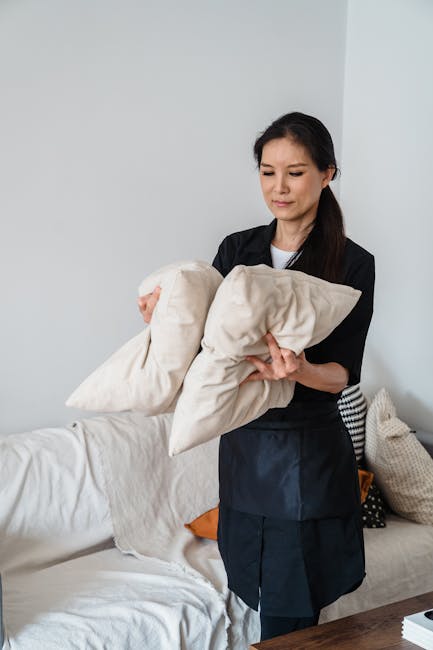
Upholstery cleaning Tooting mistakes to avoid

If you have ever looked at a tired sofa arm, a dining chair seat, or a fabric headboard and thought, "I should really sort that out," you are not alone. Upholstery cleaning in Tooting sounds simple enough until something goes wrong: water marks appear, colours fade, stains spread, or the fabric starts to feel rough and sticky. The truth is, most costly problems come from a handful of avoidable mistakes. This guide explains the most common upholstery cleaning Tooting mistakes to avoid, how proper cleaning works, and what to do instead so you can protect your furniture and get better results.
Whether you are tackling a light refresh at home or comparing professional options, the aim here is the same: cleaner fabric, less risk, and a result that actually lasts. And yes, a little care saves a lot of grief. Fabric remembers everything, annoyingly.
Why Upholstery cleaning Tooting mistakes to avoid Matters
Upholstered furniture looks sturdy, but the fabric surface and internal padding can be surprisingly sensitive. A sofa or armchair may hide dust, oils, pet hair, drink residue, and everyday grime deep in the fibres. Clean it badly and you can end up pushing dirt further in, setting a stain permanently, or leaving the item damp for too long.
In a busy area like Tooting, where homes often have limited drying space and furniture gets plenty of daily use, mistakes matter even more. A rushed clean before visitors arrive, or a quick weekend attempt with the wrong product, can leave a much bigger problem than the original mark. That is why understanding upholstery cleaning Tooting mistakes to avoid is not just about appearance. It is about protecting the lifespan of your furniture, keeping your home fresher, and avoiding the expense of premature replacement.
There is also a practical comfort angle. A well-cleaned sofa feels better to sit on, smells cleaner, and makes the whole room feel calmer. A badly cleaned one? Well, you notice it every time you sit down.
How Upholstery cleaning Tooting mistakes to avoid Works
Good upholstery cleaning is not simply "spray and scrub." The process starts with identifying the fabric, the type of soiling, and the cleaning method that suits the item. A trained cleaner will usually check care labels, test a small hidden patch, remove loose dust and debris, and then use the least aggressive method that will still clean effectively.
Most upholstery cleaning methods fall into one of these broad approaches:
- Dry soil removal - vacuuming and brushing to lift grit, crumbs, and pet hair before moisture is used.
- Low-moisture cleaning - useful for delicate fabrics or furniture that needs a quicker drying time.
- Hot water extraction or steam-based cleaning - often used for sturdier fabrics, but only when moisture levels and drying are controlled carefully.
- Targeted stain treatment - used for specific marks such as food, drinks, or tracked-in dirt.
The mistake many people make is treating all upholstery as if it were the same. It is not. A cotton-blend sofa, a velvet accent chair, and a synthetic office stool need very different handling. That is why specialist upholstery cleaning in Tooting usually starts with fabric identification rather than a product grab from under the sink.
If you are also dealing with stubborn marks elsewhere in the home, a service such as stain removal can be useful when the problem is broader than the upholstery alone.
Key Benefits and Practical Advantages
A careful upholstery clean gives you more than a nicer-looking sofa. Done properly, it can change how the room feels and how long your furniture stays usable.
- Better fabric appearance - colours look fresher and the pile or weave regains its shape more evenly.
- Reduced odours - cooking smells, pets, and daily use can leave upholstery feeling stale over time.
- Longer furniture life - dirt acts like fine grit and can wear fibres down if it is left sitting there.
- More comfortable living space - the room feels cleaner, which is oddly noticeable once it is done.
- Lower risk of repeat staining - proper rinsing and extraction help prevent sticky residue that attracts more soil.
There is a financial benefit too. Replacing a decent sofa or a set of dining chairs is rarely cheap. Avoiding one bad cleaning attempt can easily be worth the effort. To be fair, many people only discover this after one "quick clean" that turns into a long, awkward drying process and a faint brown ring that never quite goes away.
Who This Is For and When It Makes Sense
This topic matters to anyone with fabric furniture, but it is especially useful if you are dealing with one of these situations:
- Households with children, pets, or lots of visitors.
- Landlords or tenants preparing a property for checkout or move-in.
- People with light-coloured sofas or delicate fabrics.
- Anyone trying to remove a recent spill without making it worse.
- Small offices, salons, waiting rooms, or hospitality spaces that rely on fabric seating.
It also makes sense if your furniture has not had a proper clean in a while and the fabric looks dull rather than visibly dirty. Sometimes the problem is not dramatic. The chair just looks "flat," a bit tired, maybe a little grey around the arms. That is often a sign of embedded soil and body oils, not just surface dust.
If you are comparing service types, the wider upholstery cleaning service is the right place to start, while a dedicated sofa cleaning option may suit larger lounge furniture that sees the most daily wear.
Step-by-Step Guidance
Here is a practical, sensible approach to upholstery cleaning that helps you avoid the usual pitfalls.
- Check the fabric label first. Look for manufacturer care codes or cleaning instructions. If the item is marked as delicate or water-sensitive, do not guess.
- Vacuum thoroughly. Use a soft brush attachment and get into seams, piping, and under cushions. Loose grit is the enemy of a good finish.
- Test in an out-of-sight area. Always try any cleaner on a hidden patch first. Wait long enough to see if it affects colour, texture, or drying.
- Treat stains before general cleaning. Spot-treating with the wrong product after full wet cleaning can cause the stain to spread.
- Use the minimum moisture needed. More water does not mean more clean. It often means more problems.
- Work gently and evenly. Use controlled passes rather than aggressive scrubbing.
- Rinse or extract residue. Leftover detergent can attract new dirt and create a sticky feel.
- Dry the item properly. Good airflow matters. Open windows if appropriate, use fans if available, and avoid sitting on it too soon.
A simple rule helps here: clean methodically, not emotionally. People get into trouble when they panic about a stain and start rubbing harder, adding more product, then more water, then a bit more of everything. That is usually where things go sideways.
Expert Tips for Better Results
Small details make a big difference with upholstery. The following tips tend to separate a decent result from a disappointing one.
Work from the outside of the stain inward
This reduces the risk of spreading the mark and creating a larger patch than the original problem. It sounds basic, but it is one of the most common miss-steps.
Blot, don't attack
Pressing a clean cloth into a spill helps lift liquid without forcing it deeper into the filling. Rubbing is tempting, especially when you are in a hurry, but it often roughens the fabric pile and pushes the stain around.
Be careful with "one-size-fits-all" products
General upholstery sprays can work on some fabrics and harm others. If a product seems too broad to be true, it probably is. In our experience, fabric-specific cleaning is usually safer and more effective.
Watch the drying stage as closely as the cleaning stage
A clean sofa that stays damp for too long can develop odours or become marked again by moisture migration. If the room feels heavy and slightly musty after cleaning, drying needs attention.
Use a soft brush only where appropriate
Brushing can help lift fibres, but too much pressure can distort delicate weaves. One light pass is often enough. Really, no need to wrestle the chair.
If you have pets, it is worth considering a more targeted approach through pet stain and odour removal, especially where smells linger even after the visible mess is gone.
Common Mistakes to Avoid
This is the section that saves the most money. Most upholstery damage is not caused by dramatic accidents. It comes from ordinary, avoidable errors.
| Mistake | What can happen | Better approach |
|---|---|---|
| Using too much water | Water rings, long drying times, odours, padding damage | Use controlled moisture and extract properly |
| Scrubbing stains hard | Fibre damage, spreading, colour loss | Blot gently and treat the stain with the right method |
| Skipping a patch test | Unexpected discolouration or texture change | Test every product in a hidden area first |
| Using the wrong cleaning product | Residue, shrinkage, damage to delicate fibres | Choose a fabric-appropriate cleaner |
| Ignoring the drying stage | Smells, marks reappearing, mildew risk | Support airflow and give the piece time to dry fully |
| Cleaning only the visible stain | Patching, ring marks, uneven finish | Blend the treated area into a broader section |
There is also the quiet mistake of thinking all upholstery can be cleaned exactly like carpet. It cannot. Carpets and upholstered furniture behave differently because of construction, backing, cushioning, and shape. If a cleaner uses a carpet-first mindset on a sofa, you may end up with more moisture than the item can comfortably handle.
For larger homes or shared spaces, fabric care often goes hand in hand with other services such as curtain cleaning or rug cleaning, especially when dust and odour issues seem to move around the room rather than stay put.
Tools, Resources and Recommendations
You do not need a van full of equipment to clean upholstery properly, but the right tools make the job safer and more controlled.
- Soft brush vacuum attachment for dry soil removal.
- Microfibre cloths for blotting and gentle residue lifting.
- Fabric-safe cleaning solution matched to the material and stain type.
- White towels so you can see what you are removing without transferring dye.
- Air movement from open windows or a fan to help drying.
- Protective gloves if you are using any stronger cleaning chemistry.
For people who want a professional finish without the guesswork, a specialist upholstery cleaner can assess the fabric, choose the right method, and manage the drying stage properly. That matters more than it sounds. The best cleaning job is not the most dramatic one; it is the one that leaves the fabric looking clean, feeling right, and drying evenly.
If you are weighing up service levels or budgeting for a clean, take a look at pricing and quotes. If you want to understand who is behind the service and how they operate, the about us page is also a useful read.
Law, Compliance, Standards, or Best Practice
Upholstery cleaning is not usually a heavily regulated activity for the average homeowner, but best practice still matters. In the UK, sensible cleaning work should take account of fabric care instructions, safe product use, proper ventilation, and basic health and safety principles.
For homes and small businesses alike, it is wise to consider:
- Manufacturer care labels before using water or detergents.
- Safe handling of cleaning products, especially in homes with children or pets.
- Electrical safety when using machines or drying equipment indoors.
- General hygiene where spills, body soils, or pet contamination are involved.
If you are hiring a company, practical trust signals matter. Insurance, clear complaints handling, and transparent terms are all worth checking. You do not need a legal lecture in the living room, but you do need to know the service is being delivered responsibly. Pages such as insurance and safety, health and safety policy, and terms and conditions can help you judge that.
For anyone concerned about data or website browsing while arranging a booking, the site's privacy policy and payment and security information are sensible to review too. It is boring, yes, but boring in a good way.
Options, Methods, or Comparison Table
Different upholstery cleaning methods suit different fabrics and situations. Here is a plain-English comparison to help you decide what makes sense.
| Method | Best for | Advantages | Watch out for |
|---|---|---|---|
| Manual spot cleaning | Small, fresh spills | Quick, low-cost, targeted | Easy to over-wet or spread the stain |
| Low-moisture upholstery cleaning | Delicate or lightly soiled fabric | Shorter drying time, less saturation | May not remove deep contamination alone |
| Hot water extraction | Robust fabric with deeper soil | Strong soil removal, good refresh | Requires careful moisture control |
| Targeted specialist treatment | Pet issues, dyes, stubborn staining | More precise, better for difficult marks | Needs the right diagnosis first |
For some properties, the right answer is not upholstery cleaning alone. If the furniture is part of a larger cleanliness issue, combining it with steam carpet cleaning can help the whole room feel consistent rather than half-fresh and half-tired.
Case Study or Real-World Example
A common local scenario goes something like this. A family in Tooting notices a pale, slightly grubby patch on a three-seater sofa after months of normal use. Nothing dramatic, just the sort of mark you stop seeing after a while. They try a store-bought spray, rub it in a bit, and the patch becomes larger and a touch darker around the edges. Then they add more water to "even it out," which only makes drying slower.
What tends to work better? First, identify the fabric. Then remove loose soil, test a cleaner in a hidden area, treat the stain lightly, and clean a broader panel so the treated area blends rather than stands out. If the material is delicate, a low-moisture method may be safer than a wet one. If odour is part of the problem, pet-specific treatment may be needed rather than a general refresh.
The big lesson is not complicated. The original stain was manageable. The fixing-up attempts made it harder. That happens a lot, truth be told. People are not careless; they are simply rushing because the sofa is where everyone sits and nobody wants the room to feel messy.
Practical Checklist
Use this quick checklist before you clean upholstery at home or book a service.
- Read the care label or check the manufacturer's guidance.
- Vacuum the item thoroughly, including seams and cushions.
- Identify the stain type: food, drink, grease, pet, ink, or general dirt.
- Test any product on a hidden patch first.
- Use as little moisture as possible for the fabric type.
- Blot, do not scrub.
- Rinse or extract cleaning residue if needed.
- Allow proper drying with good airflow.
- Check the result in daylight once dry.
- Get help if the fabric is delicate or the stain is spreading.
Expert summary: The safest upholstery cleaning approach is usually the simplest one: identify the fabric, remove dry soil, test first, use controlled moisture, and dry thoroughly. Most damage comes from rushing, not from the cleaning itself.
If you are ready to compare options, it helps to choose a service that is upfront about process, safety, and what happens if something does not go to plan. You can also review the company's complaints procedure if you want extra reassurance before booking.
Get a free quote today and see how much you can save.
Conclusion
Upholstery cleaning in Tooting does not need to be risky, and it does not need to be complicated either. The main thing is to avoid the common errors: too much water, the wrong cleaner, hard scrubbing, skipping patch tests, and forgetting about drying time. Those are the mistakes that turn a routine refresh into a long afternoon of regret.
Take a careful, fabric-aware approach and you will usually get a far better result than the quick-fix route. That applies whether you are cleaning a family sofa, a pair of dining chairs, or a much-loved armchair that has seen better days. And if you would rather have someone handle the tricky part, that is perfectly sensible too.
In the end, good upholstery care is really about preserving the things you live with every day. Small effort, better comfort, less hassle. Not glamorous, perhaps. But very worthwhile.
Frequently Asked Questions
What are the most common upholstery cleaning mistakes to avoid?
The biggest mistakes are over-wetting the fabric, scrubbing stains too hard, skipping patch tests, using the wrong cleaner, and not allowing enough drying time. These errors often cause more damage than the original mark.
Can I use carpet cleaner on my sofa?
Usually, no. Carpet cleaners are designed for different fibres, backings, and moisture levels. Upholstery needs a more careful approach, especially on delicate or structured fabrics.
Why does my sofa get water marks after cleaning?
Water marks often happen when too much moisture is used or the fabric dries unevenly. Residue left in the fibres can also cause visible rings once the fabric dries.
How do I know if my upholstery fabric is safe to clean at home?
Check the care label first. If the fabric is marked as water-sensitive, delicate, or dry-clean only, it is safer to avoid DIY wet cleaning unless you are sure of the method.
Is steam cleaning safe for upholstery?
It can be, but only on fabrics that can handle it and only with controlled moisture. Steam is not suitable for every item, so testing and fabric identification matter a lot.
How long should upholstery take to dry?
Drying time varies by fabric, method, ventilation, and how much moisture was used. The important thing is to let it dry fully before regular use, otherwise odours and marks can return.
What should I do if a stain gets bigger when I clean it?
Stop immediately. Blot any excess moisture, avoid adding more product, and let the area dry slightly before reassessing. If the stain has spread, a specialist may be needed to treat it correctly.
Are pet stains harder to remove from upholstery?
Yes, usually. Pet stains can leave both visible marks and lingering odours, which means the treatment often needs to address the smell as well as the stain itself.
How often should upholstered furniture be cleaned?
That depends on use. High-traffic pieces may need attention more often, while lightly used furniture can go longer between cleans. A professional refresh is often helpful once the fabric starts looking dull or feeling less fresh.
Can I clean velvet upholstery myself?
Velvet is one of the fabrics where caution really pays off. It can mark easily if scrubbed or over-wet, so if you are unsure, a careful test spot or professional help is the safer route.
What if my sofa smells clean but still looks dirty?
That usually means surface odour has improved, but embedded soil remains in the fibres. A deeper clean or a more suitable treatment may be needed to restore the appearance properly.
Where can I find more information about the company and its service standards?
You can review the company's about us page, along with practical service pages such as upholstery cleaning and pricing and quotes to get a better feel for how the work is handled.